Are intellectual property and street art compatible?
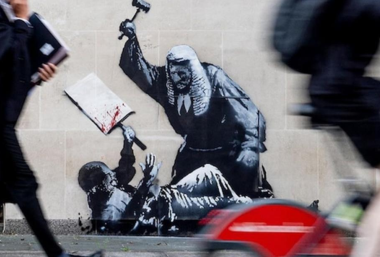
Historically, street artists have struggled to balance their typical anti-law approach with the conservation of their art – for example, Banksy’s recent mural in London was promptly removed due to vandalism (though perhaps this was the artist’s intent). Common street artist tropes such as anonymity and an anti-establishment stance have resulted in challenges when it comes to intellectual property (IP), finding barriers to securing copyright and trade marking their work.
Many artists working in (and on) other more ‘traditional’ mediums know of their IP rights, which are easily defined. However, the conversation for street art is still young, and potential issues more often than not have gone untested.
In this article, we discuss some of the legal issues that arise when dealing with street art, including:
- Exhibitions showcasing street art, such as The Art of Banksy
- The intricacies behind copyright and it's challenges for anonymous artists
- Using trade mark protection as a defensive strategy
- How ‘street art’ is defined
- Some IP challenges faced by street artists
- How street artists can protect their work.
Read the full PDF article.